
What Does a Snow Spring Do?

A Guide to Trip Springs and Why They Matter
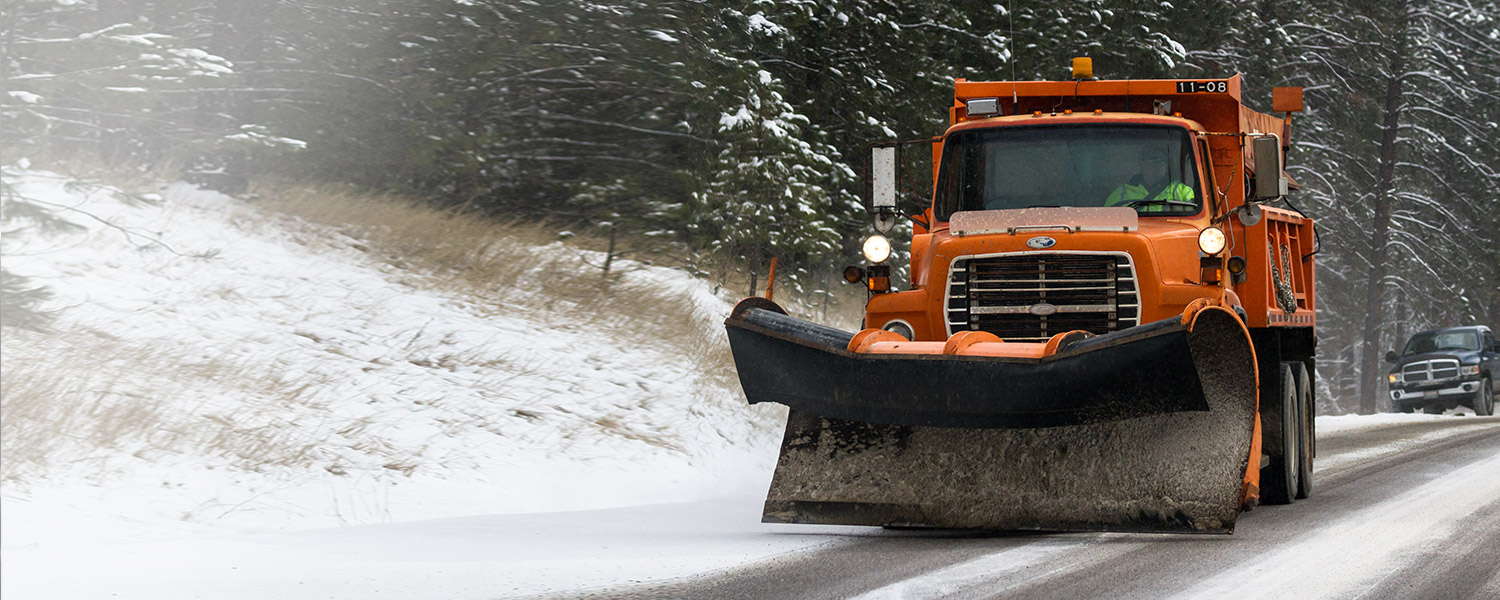
If you’ve ever wondered why a snowplow blade suddenly lurches forward and slams back into place when it hits a curb or a frozen ridge, that’s the trip spring doing its job. It’s one of the most important components on a plow, and one of the least understood by anyone who hasn’t had to service or replace one.
What a Snowplow Spring Actually Does
A snowplow spring, often called a trip spring, allows the plow blade to pivot forward when it strikes an obstacle it can’t push through. Instead of transferring that impact directly into the plow frame, the mounting hardware, and the vehicle, the spring lets the blade give way, absorbing the force and releasing it gradually rather than all at once. Once the resistance clears, the spring pulls the blade back into its upright working position.
Without that release, every curb, manhole cover, pothole edge, or frozen chunk of pavement would transfer its full impact straight into the plow and the vehicle behind it.
Why Trip Springs Are a Safety Feature, Not Just a Mechanical One
It’s worth thinking about a trip spring the same way you’d think about any safety feature designed to fail predictably rather than let something worse happen. When a plow strikes a fixed object with no way to absorb the impact, that force has to go somewhere. It can bend the plow frame, damage the mounting hardware, or bring the vehicle to a sudden, forceful stop. A properly functioning trip spring is what keeps that force from reaching the operator.
This is also why trip springs typically include a locking option. Locking the blade is appropriate for tasks like moving dirt or gravel, where a rigid blade is an advantage. But locking a plow blade during snow removal on pavement removes the safety release the spring provides, and operating in a locked position increases the risk of a sudden, forceful stop if the blade strikes an obstacle.


What Happens When a Trip Spring Isn’t Working Correctly
A trip spring that’s too loose triggers on minor bumps and uneven pavement, making the plow difficult to control and inefficient to operate. A trip spring that’s too tight, worn out, or improperly matched to the plow’s weight and size won’t release when it should, which puts the vehicle, the plow, and the operator at risk of the kind of sudden-impact damage the spring exists to prevent in the first place.
Spring tension also changes over time. As a spring is cycled repeatedly under load, tension can decrease, which is why trip springs eventually need replacement even when they appear physically intact. A spring manufactured to hold consistent tension over its working life is a meaningfully different product than one that loses tension after a season or two of use.
Types of Snow Plow Springs
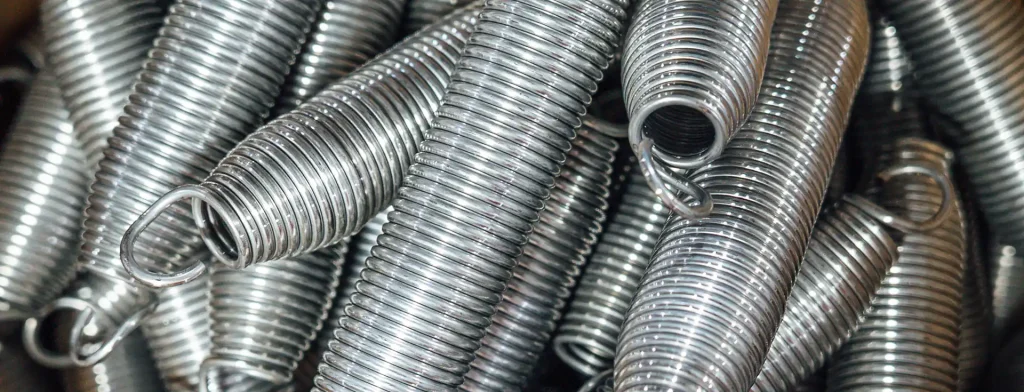
Trip springs are typically compression, extension, or torsion springs, depending on the plow’s design and mounting configuration. The right type and spec depends on the plow’s size, weight, and the duty cycle it’s built for. Heavier, commercial-duty plows generally require springs engineered for higher load and more frequent cycling than a plow built for occasional residential use.

How Iowa Spring Builds Springs for Snow Removal Equipment
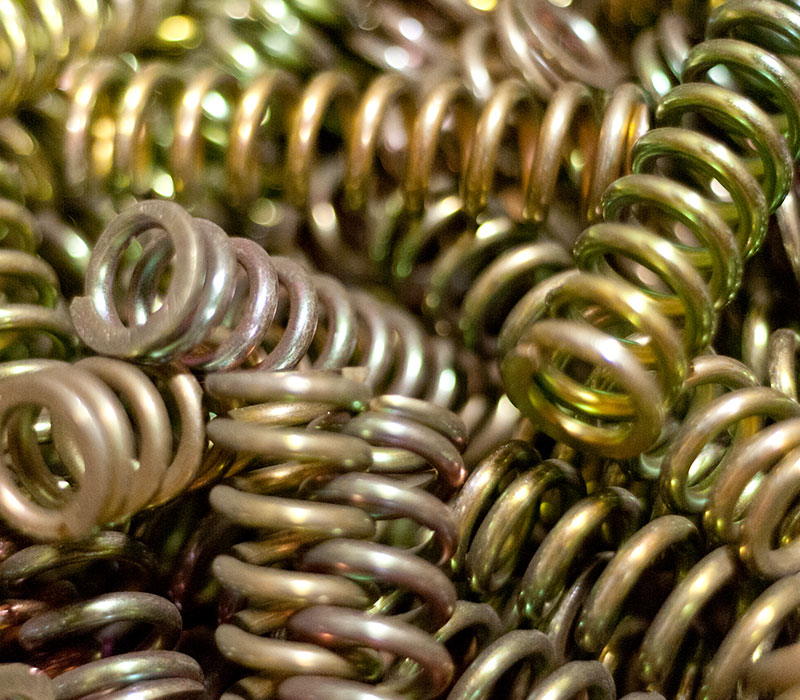
Iowa Spring manufactures large-diameter compression, extension, and torsion springs for snow removal and other heavy equipment applications. Every spring is built to hold its rated tension consistently, so it releases and returns to position the way it’s designed to, cycle after cycle.
Because snow removal equipment operates in harsh conditions, exposed to road salt, moisture, and repeated temperature swings, Iowa Spring applies protective coatings in-house, including custom paint and powder coating, rather than outsourcing finishing to a third party. Iowa Spring also performs shot peening in-house, a process that strengthens the wire at the surface level to resist the fatigue that builds up from repeated trip-and-release cycles.
Iowa Spring is ISO 9001:2015 certified, and every spring is manufactured under that same quality system, with materials and tension verified rather than assumed.

Choosing the Right Snow Plow Spring
If a plow is tripping too often, not tripping when it should, or showing visible wear on the spring or its mounting points, it’s worth having the spring inspected and replaced with one matched to the plow’s weight and duty cycle rather than a generic substitute. The right spring, correctly specified and properly maintained, is what keeps a plow operating safely through a full season of use.